Heart Screening for 355 Students at Shree Rudrayanee Secondary School
Lalitpur, September 23, 2026
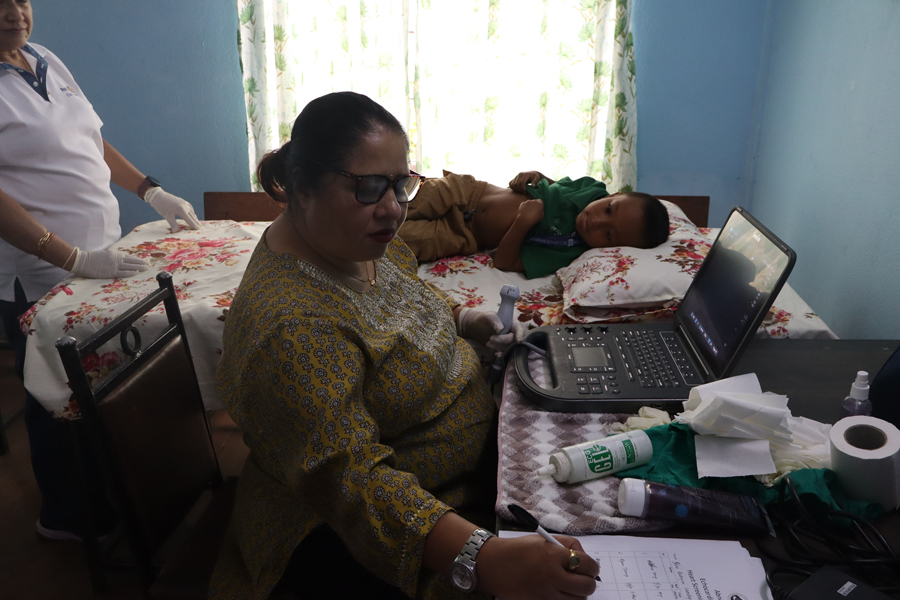
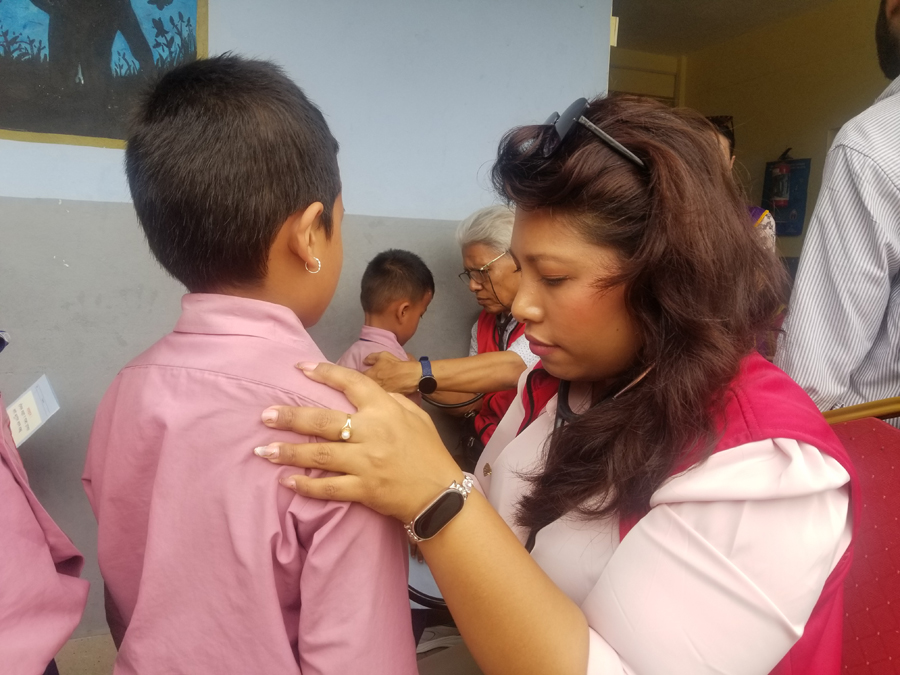
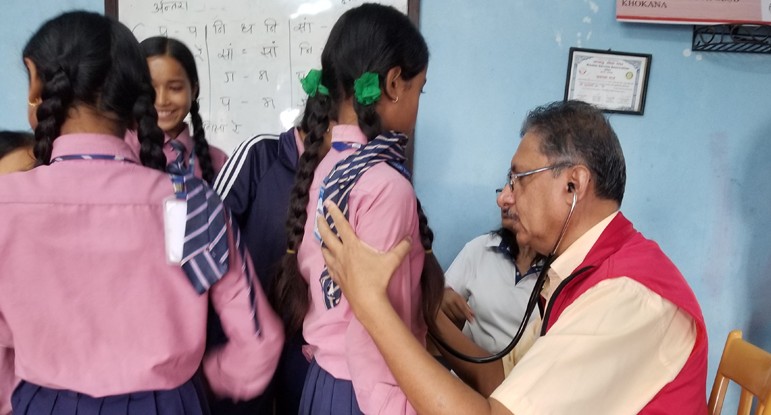
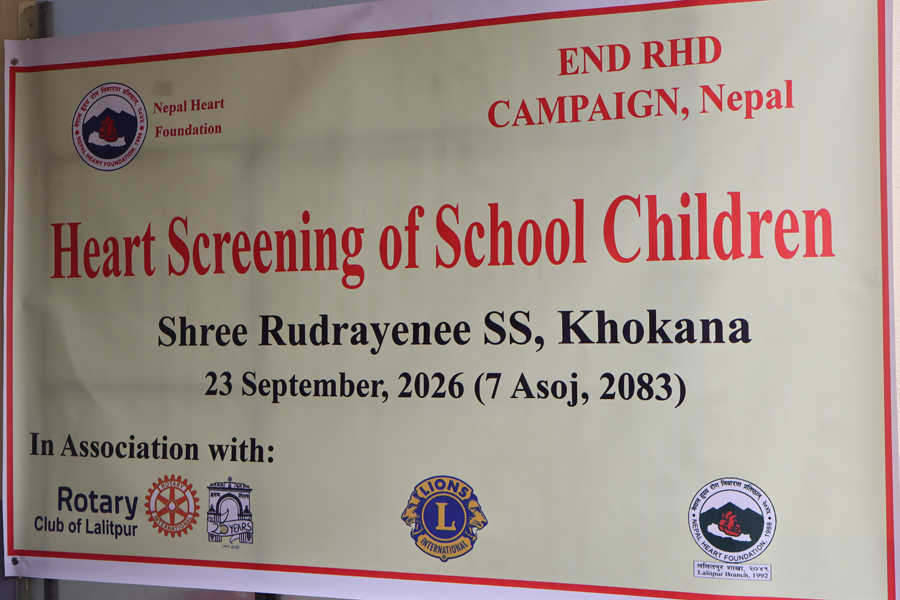
The Nepal Heart Foundation (NHF), in coordination with the Nepal Heart Foundation Lalitpur Branch, Lions Club of Himalayas Patan, and Rotary Club of Lalitpur, conducted a school-based heart screening programme at Shree Rudrayanee Secondary School, Khokana, Lalitpur, on September 23, 2026. The programme was organized as part of NHF’s ongoing efforts to promote early detection and prevention of heart disease among children and adolescents. A total of 355 students participated in the screening. The students underwent an initial cardiac examination using a stethoscope, with the medical team assessing for abnormal heart sounds and cardiac murmurs. Students identified with abnormal findings were referred for further evaluation through portable echocardiography.
A total of 47 students underwent echocardiographic assessment by Dr. Prakash Raj Regmi. Among those assessed, one student was diagnosed with rheumatic heart disease (RHD), while five students were found to have congenital heart disease (CHD). One student was identified with asthma and was referred for appropriate medical management. Penicillin V was provided to the student requiring prophylactic treatment, as clinically indicated.
The screening programme was conducted by a multidisciplinary NHF team comprising Dr. Prakash Raj Regmi, Dr. Prem Raj Baidya, and Dr. Anjela Baidya. The programme was supported by RN Anmol Maharjan, RN Nirmala Devkota, Mr. Keshav Prasad Dhakal, Mr. Yubaraj Bishwokarma, and Mr. Krishna Nanda Karn, along with members of the NHF Lalitpur Branch, volunteers from the Rotary Club of Lalitpur, and volunteers from the Lions Club of Himalayas Patan. Through school-based screening programmes such as this, NHF continues to promote early identification of children who may require further cardiac evaluation and facilitate timely assessment and referral. Such initiatives contribute to greater awareness of childhood heart disease and support efforts to reduce preventable complications and improve long-term cardiovascular health among children and adolescents.